
Meet the Makers: The Inspiring Stories Behind Lithuania's Handicrafts
Explore the inspiring stories of Lithuanian artisans, their craftsmanship, and cultural heritage behind authentic handmade goods.
Meet the Makers: The Inspiring Stories Behind Lithuania's Handicrafts
Lithuania's rich tapestry of traditional crafts reflects centuries of history, culture, and artistic passion. But behind every tapestry, ceramic piece, or piece of amber jewelry, there is an artisan whose dedication breathes life into these creations. This guide delves deep into the personal stories of Lithuanian artisans, their craftsmanship, motivations, and the cultural significance that fuels their work.
The Legacy of Lithuanian Artisans: A Cultural and Historical Overview
Lithuanian artisans have passed down skills from generation to generation, blending history with contemporary expression. The craft is not merely about skill but about preserving cultural heritage deeply embedded in the Lithuanian identity.
From weaving intricate textiles rooted in pagan symbolism to carving wood in spiritual motifs, craftsmanship is a bridge connecting modern-day Lithuania with its ancestors.
Many artisans use local supplies such as flax, amber, and clay gathered from the Lithuanian landscape, emphasizing sustainability and locality that enhances authenticity.
The Intergenerational Transfer of Craftsmanship
Families have served as primary custodians of these skills, with elders teaching youths, ensuring a seamless artistic resurgence amidst modernization.
Organizations and educational centers are increasingly focusing on preserving these trades, with community swap events and cooperative deals amplifying local sales, strengthening the artisan economy (source).
Artisan Profiles: Passion, Dedication, and Identity
Let’s meet some of Lithuania's shining makers, whose personal journeys reveal much about the heart of craftsmanship:
Profiles of Lithuanian Artisans: The Human Aspect Behind Handmade Goods
1. Sonata – The Weaver of Stories Through Linen
Sonata learned weaving in a rural Lithuanian village, where the loom was a lifelong companion. She believes each thread in her linens tells a story of social customs, history, and the environment. Using 100% locally grown flax, she incorporates natural dyes from wild plants.
Sonata’s work highlights the significance of using climate-friendly ingredients and sustainable materials that align with the artisan philosophy (see more about sustainable practices in crafts here).
2. Arvydas – Master Wood Carver and Storyteller
Arvydas combines traditional motifs with contemporary design. His work is steeped in deep symbolism — each carving drawn from ancient Baltic myths that celebrate nature, seasons, and the human spirit.
He sources timber only from Lithuanian forests certified for sustainable harvest, exemplifying respect for environmentally conscious sourcing.
3. Egle – Amber Artisan with a Modern Twist
Lithuania’s amber heritage is world-renowned, and Egle transforms this fossilized resin into exquisite jewelry. Her mother inspired her journey, teaching her how to tap into amber’s spiritual significance while creating pieces that speak to both tourists and the Lithuanian diaspora.
She shares her artistic journey openly on social media to raise global awareness and appreciation for this unique Baltic treasure.
Motivations Driving Lithuanian Artisans
What motivates these skilled professionals beyond livelihood? It is a blend of pride, cultural preservation, personal expression, and community connection.
Pride in Cultural Identity
Many makers draw motivation from representing Lithuanian cultural narratives that face dilution in globalization. A shared sentiment across artisans is the desire to keep heritage alive through each crafted piece.
Supporting Local Economies and Sustainability
There is deep awareness about sourcing local materials and reducing environmental footprint. Many artisans choose indigenous raw materials and support local suppliers, reinforcing regional economies and minimizing the impact of global supply chains.
Creating Meaningful Connections
Artisans often emphasize the importance of connection: between maker and buyer, between generations, and between tradition and innovation. Their stories inspire trust and engagement from consumers looking for authenticity, especially when buying through trustworthy online marketplaces like lithuanian.store.
The Craftsmanship Process: From Local Supply to Finished Masterpiece
The unique charm of Lithuanian handmade goods lies in their detailed crafting process — combining skills, patience, and respect for materials.
Step 1: Sourcing Authentic Local Supplies
Whether it is hand-picked flax for textiles, sustainably harvested wood, or Baltic amber, sourcing begins with a relationship to the land. Makers often collaborate with local farmers and gatherers to ensure supply chains remain transparent and eco-friendly.
Step 2: Traditional Techniques and Modern Innovations
While many artisans preserve age-old techniques like hand-weaving or traditional kiln firing, they also integrate modern safety and quality standards. This fusion results in durable and authentic products prized both locally and internationally.
Step 3: Personal Touch and Storytelling
Each product carries a story embedded by the maker — visible in minor imperfections that signal handmade origin rather than mass production. This human touch strengthens consumer trust and emotional connection to the product.
The Cultural Significance of Lithuanian Handicrafts
Lithuanian handicrafts are more than aesthetic objects; they are living representations of identity and memory.
Symbolism and Spiritual Elements
Many crafts incorporate pagan and Christian symbolism — from sun motifs to floral designs — reflecting Lithuania’s complex religious history.
Social and Festive Roles
Handicrafts play essential roles in festivals, weddings, and rites of passage, enhancing ritual meaning and community bonding.
Education and Preservation of Heritage
Craft centers and museums work alongside artisans to educate the public and keep traditions alive, reflecting the importance of craftsmanship in national identity (read more).
Challenges and Resilience: The Artisan’s Path
Despite passion, Lithuanian artisans face numerous challenges, which makes their persistence all the more inspiring.
Market Access and International Shipping
Many artisans wrestle with limited direct market access outside Lithuania and complex international shipping logistics. Platforms like Lithuanian.store have become vital, offering curated marketplaces that connect artisans directly with global consumers, providing reliable shipping and bilingual support.
Balancing Tradition and Commercial Demand
Makers often balance maintaining authenticity while adapting to buyers’ needs, managing cultural integrity amid commercial pressures.
Skill Preservation Amid Generational Shifts
With an aging skilled workforce, skill transfer becomes critical. Organizations and artisans invest in mentoring younger generations to ensure continuity and innovation coexist.
Supporting Lithuanian Artisans: How Consumers Can Make a Difference
Consumers play a crucial role in sustaining this rich craft tradition by making informed purchases and advocating for authentic handmade goods.
Choosing Authentic, Ethically Made Products
Buy from verified platforms showcasing artisan stories and authentic origins for trustworthy, cultural purchases.
Learning Artisan Stories
Engage with makers' narratives to appreciate the depth behind the items, enriching consumer experience and respect for heritage (community stories).
Gift-Giving with Cultural Meaning
Choosing traditional Lithuanian handicrafts not only supports artisans but also offers meaningful, culturally rooted gifts for family, friends, and tourists, especially through convenient online catalogs with bilingual descriptions and sizing guides.
Comparison Table: Lithuanian Artisanal Crafts by Material and Technique
| Craft | Primary Material | Traditional Technique | Cultural Symbolism | Common Use |
|---|---|---|---|---|
| Weaving (Linen, Wool) | Locally grown flax, sheep wool | Hand-weaving, natural dyeing | Sun motifs, fertility patterns | Clothing, household textiles |
| Wood Carving | Oak, Pine (sustainably harvested) | Manual carving tools, polishing | Nature spirits, pagan symbols | Decor, utensils, religious objects |
| Amber Jewelry | Baltic amber (fossil resin) | Cutting, polishing, setting | Protection, health, beauty | Necklaces, rings, souvenirs |
| Ceramics | Local clay | Pottery wheel, kiln firing | Earth connection, domestic life | Tableware, ornaments |
| Jewelry Metalwork | Silver, bronze | Hammering, engraving | Ancient symbols, Baltic motifs | Personal adornment |
Pro Tip: To truly appreciate Lithuanian handmade goods, explore artisan stories and cultural context at Preserving Cultural Heritage. Authenticity elevates product value beyond the material.
Frequently Asked Questions (FAQ)
What defines an authentic Lithuanian handicraft?
Authenticity combines traditional craftsmanship using local materials, passed-down techniques, and cultural motifs unique to Lithuanian heritage. Authentic products embody these principles and often come directly from recognized artisans.
How can I be sure the product I buy is genuinely handmade?
Look for marketplaces that share detailed maker stories, origin info, and photos of the production process. Verified artisan platforms and fair-trade certifications add to trustworthiness.
Are Lithuanian artisans using sustainable and eco-friendly materials?
Many artisans emphasize sustainable sourcing, such as using locally harvested flax, responsibly gathered wood, and natural dyes that reduce environmental impact. This trend is growing in response to global climate awareness (learn more).
How can I support Lithuanian artisans beyond buying products?
Engage with their stories, promote their work on social platforms, and participate in cultural tours or workshops. Some artisans offer classes or online sessions for deeper learning.
What should I consider when gifting Lithuanian handicrafts internationally?
Consider size, fragility, and cultural significance. Choose platforms with reliable international shipping and bilingual descriptions to ensure smooth delivery and recipient understanding.
Related Reading
- The Critical Skills Gap: Preparing for the Retirement of Experienced Workforce - Understanding risks to craft skill preservation.
- The Power of Community in Artistic Resurgence - How communities uplift traditional arts.
- Community Swap Events: Amplifying Local Sales with Cooperative Deals - Strategies to strengthen artisan markets locally.
- Preserving Cultural Heritage: Tips for Creating an Educational Craft Center - Deepening cultural education connected to handiwork.
- Unpacking Climate-Friendly Ingredients: The Importance of Quality Sourcing - Insights into sustainable sourcing relevant to artisans.
Related Topics
Unknown
Contributor
Senior editor and content strategist. Writing about technology, design, and the future of digital media. Follow along for deep dives into the industry's moving parts.
Up Next
More stories handpicked for you

Navigating the Colorful World of Lithuanian Textiles

A Culinary Journey: Essential Lithuanian Pantry Items You Must Try

Bundle Idea: Handwoven Scarf + 3-in-1 Charger — The Practical Keepsake for New Homeowners

Discovering Lithuanian Culinary Heritage: What to Buy in Local Markets

Navigating Customs: A Buyer’s Guide to Authentic Lithuanian Goods
From Our Network
Trending stories across our publication group

The Importance of Cultural Identity in Contemporary Art

Unveiling the Hidden Histories of Contemporary Art in South Asia

Exploring the Art of Ice: Tips for DIY Ice Sculptures at Home

Weave It Into Sales: DIY Tapestry Booths and Display Projects
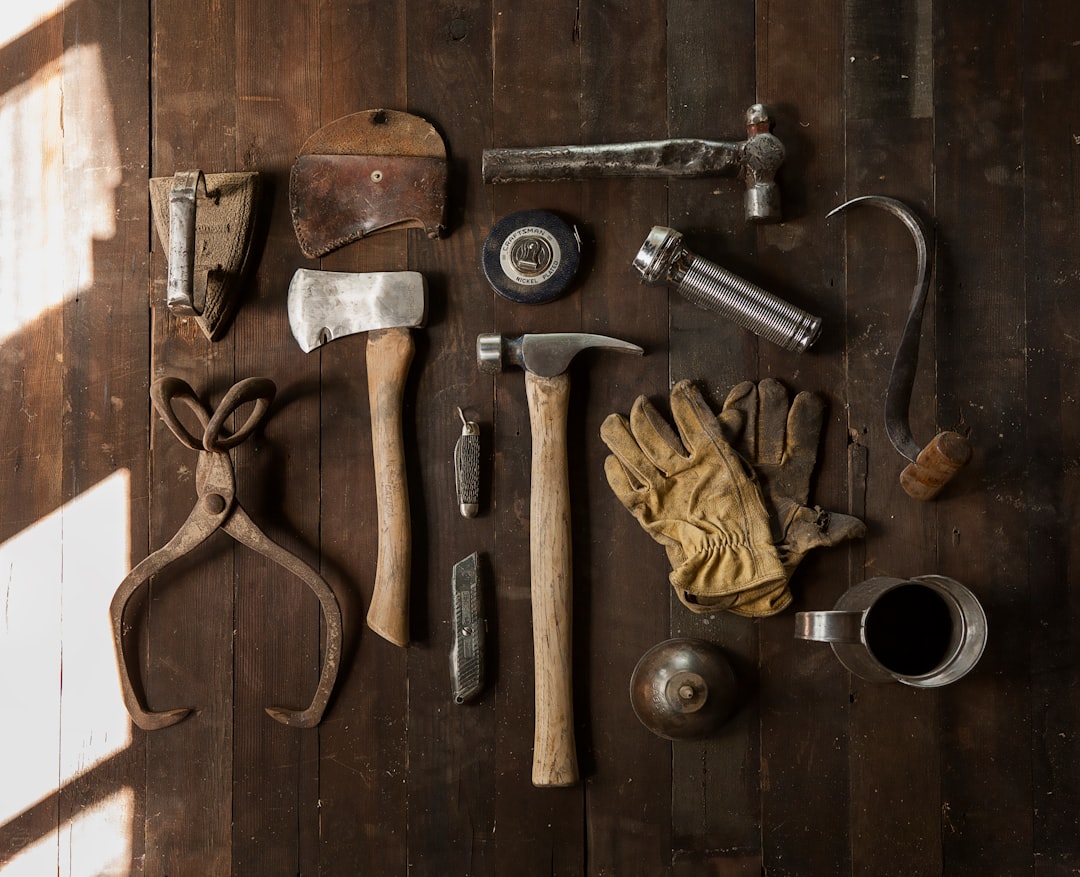
Tales from the Toolbox: Essential Tools Every Maker Should Have
